
Introduction: More Than Just a Meal
On a humid evening in Bali’s Ubud highlands, lanterns flicker against the canopy of palm trees. Guests make their way along a narrow jungle path before arriving at a secluded deck perched above a rushing river. There, a five-course tasting menu awaits — not just a meal, but an entire journey that begins with the anticipation of travel, the thrill of discovery, and the satisfaction of sitting down in a setting that feels otherworldly.
This is destination dining, the new obsession taking Asia by storm. It is no longer enough to have a Michelin-starred kitchen or a world-class sommelier; restaurants now compete on the drama of location. They lure diners to mountaintops, beaches, temples, and remote rice fields, making the act of getting there part of the experience itself. The journey becomes inseparable from the meal, creating a memory that lingers long after the taste of dessert fades.

The concept is not entirely new. For centuries, royalty and aristocrats in Asia enjoyed elaborate feasts in palaces, gardens, or on boats floating down rivers. What has changed is accessibility: destination dining, once reserved for elites, is now marketed to a growing middle class and a generation of young travellers who crave Instagrammable moments. Across the region, this marriage of gastronomy, travel, and lifestyle is redefining how people eat and how restaurants think about their role in culture.
The Social Media Effect
No trend today spreads without social media, and destination dining is no exception. On Instagram, TikTok, and Xiaohongshu, reels of diners sipping champagne while overlooking Himalayan valleys or sampling sushi inside a century-old Kyoto townhouse rack up millions of views. Food photography has always been popular online, but destination dining takes it to another level: the image is not just of the dish but of the environment, the sunset, the architecture, and the journey to reach it.
Diners often describe these meals as once-in-a-lifetime experiences, and their posts create a powerful form of marketing. Unlike conventional advertising, which might show a glossy restaurant interior, social media highlights the adventure. A diner might capture the winding boat ride to a floating restaurant in Krabi, Thailand, or the candlelit climb up ancient temple steps in Cambodia before a multicourse banquet. These authentic, shareable moments drive demand more effectively than any brochure could.

The so-called “Instagram effect” has transformed many establishments from hidden gems into global sensations overnight. A cliffside café in Nusa Penida, Indonesia, saw bookings spike after a single drone video went viral, drawing influencers and eventually international food magazines. Similarly, in Japan’s Yamagata prefecture, a family-run ryokan offering kaiseki dinners in a snow-covered mountain hut was suddenly inundated with bookings after a winter photo spread caught global attention.
Critics warn that this reliance on social media can skew priorities. Some accuse restaurateurs of over-emphasising aesthetics at the expense of food quality, or of staging experiences that prioritise photo opportunities over genuine cultural immersion. Yet even skeptics admit that the fusion of culinary craft and visual storytelling has given destination dining the momentum to become one of Asia’s defining hospitality trends.
Post-Pandemic Appetite for Experiences
The pandemic years altered how people perceive leisure and travel. After prolonged lockdowns and restrictions, consumers across Asia emerged with a renewed desire for experiences that felt meaningful, memorable, and worth the wait. Dining out was no longer just about convenience or sustenance — it became a form of celebration and reconnection.
This appetite dovetailed perfectly with the rise of destination dining. As borders reopened, travellers sought more than just standard holidays; they wanted immersive moments that could not be replicated at home. Instead of returning to crowded malls or chain restaurants, many turned to experiences that combined escape with indulgence. A dinner under the stars on a Laotian riverbank or a tasting menu in a Malaysian rainforest offered exactly that: a reminder of the world’s richness and their own agency to explore it.

Economic shifts also played a role. Rising disposable incomes among Asia’s young professionals, particularly in Southeast Asia, meant that more people could afford to spend on premium experiences. Surveys in 2024 showed that millennials and Gen Z travellers were allocating more of their budgets to “experiential spending,” which included food tourism, wellness retreats, and boutique accommodations. Dining was often at the centre of these trips.
Governments, too, recognised the potential. Tourism boards from Japan to Vietnam began promoting food experiences as part of their campaigns, encouraging visitors to venture beyond capital cities into rural regions. In Thailand, the “Amazing Thailand Culinary Journeys” campaign explicitly featured destination dining pop-ups, pairing traditional recipes with scenic settings. In Malaysia, regional governments partnered with resorts to stage seasonal dining events in coastal and highland areas. By marrying gastronomy with travel, these initiatives boosted local economies while diversifying tourism offerings.
The post-pandemic landscape thus created fertile ground for destination dining to flourish. Consumers were hungry for novelty, restaurateurs were eager to innovate, and governments were willing to support. The result is a movement that has redefined Asia’s culinary identity: food is no longer confined to tables, but sprawls across landscapes, heritage sites, and natural wonders.
Regional Spotlights: How Destination Dining Unfolds Across Asia
While the concept of destination dining resonates across the continent, each country brings its own flavour, shaped by geography, culture, and history. From Japan’s snowy mountain huts to India’s desert forts, Asia offers an astonishing diversity of culinary journeys that blend food with setting.
Japan: Tradition Meets Landscape

In Japan, destination dining often takes the form of kaiseki meals in ryokan inns, where the journey into the countryside is as integral to the experience as the meal itself. Guests might travel hours by train into the Japanese Alps, arriving at secluded hot spring towns such as Gero or Kinosaki. There, multi-course dinners are served using seasonal ingredients sourced from surrounding mountains and rivers, with presentation designed to reflect nature’s beauty.
In Yamagata prefecture, one ryokan became internationally famous after photos of snow lanterns illuminating a mountain lodge went viral. Diners enjoyed steaming bowls of nabe while snow fell silently outside, creating a near-spiritual moment. Such experiences speak to Japan’s philosophy of shun — eating food in its precise season — and highlight how destination dining here is inseparable from nature and tradition.
Tokyo, despite its urban setting, also participates in the trend by exporting diners into curated worlds. Pop-up restaurants have appeared in repurposed Edo-era warehouses or inside temple grounds, where chefs reinterpret classic dishes in contexts that evoke Japan’s deep cultural heritage.
Thailand: Rivers, Beaches, and Floating Feasts

Thailand’s reputation as a food capital has taken on new dimensions through destination dining. In Krabi, diners board long-tail boats at dusk to reach floating platforms lit by lanterns, where seafood is served as waves lap at the edges. On Koh Samui, clifftop restaurants promise panoramic views of the Gulf of Thailand, pairing spicy curries with sunsets that seem choreographed for Instagram.
Bangkok, too, has embraced the movement in its own way. While the city is famed for street food, luxury hotels now stage pop-up riverside banquets along the Chao Phraya, where Michelin-starred chefs reinterpret traditional Thai recipes against the backdrop of Wat Arun’s illuminated spires.
Tourism authorities have leaned heavily on these experiences, bundling them into “Amazing Thailand Culinary Journeys” packages. For travellers, destination dining here is about indulgence and spectacle, marrying Thai hospitality with settings that feel cinematic.
Indonesia: Between Jungle and Ocean

Indonesia offers some of the most striking examples of destination dining. Bali’s Ubud region, already known for wellness retreats, has become a hub for jungle-based dining. Restaurants hidden deep in the forest invite diners to trek narrow bamboo bridges before sitting down to tasting menus featuring organic produce from local farms.
On the island’s coasts, chefs set up beachfront banquets, sometimes with tables arranged directly in the sand. One resort in Jimbaran Bay famously seats diners along a kilometre of shoreline, with seafood grilled on open pits as the tide ebbs and flows.
Beyond Bali, other islands are following suit. In Raja Ampat, Papua, diving resorts now offer dinners on isolated beaches accessible only by boat, transforming meals into expeditions. In Java, cultural pop-ups pair gamelan performances with traditional dishes served in restored colonial estates. For Indonesia, destination dining is not just a culinary movement but also a way to showcase its archipelagic diversity.
Singapore: Urban Chic Reinvented

In densely populated Singapore, the challenge is less about wilderness and more about redefining urban space. Destination dining here often takes the form of rooftop restaurants perched on skyscrapers, offering panoramic views of Marina Bay and the South China Sea.
More experimental concepts have also emerged. Pop-ups in heritage shophouses transport diners into Singapore’s past, with Peranakan menus served in carefully preserved interiors. Meanwhile, urban farms on the city’s fringes host dinners that spotlight sustainable produce, combining gastronomy with education about food systems.
The city’s wealth and global outlook make it a natural hub for culinary experimentation. Singaporean diners, accustomed to cosmopolitan offerings, now expect their meals to come with a narrative — whether about sustainability, heritage, or cutting-edge design. Destination dining in Singapore reflects this demand by crafting experiences that are as intellectual as they are sensory.
Malaysia: Forests, Highlands, and Heritage

Malaysia’s geography makes it ripe for destination dining. In the Cameron Highlands, colonial-era tea estates have reinvented themselves as venues for fine dining, pairing farm-fresh produce with misty hillside views. In Penang, restored heritage mansions now house elaborate banquets that showcase both the island’s multicultural cuisine and its architectural legacy.
Along the coasts, luxury resorts in Langkawi and Sabah offer seaside dining that highlights freshly caught seafood. Some operators take guests on boats to uninhabited islands for private meals, creating a sense of exclusivity and discovery.
The Malaysian government has also begun to recognise the tourism potential of such experiences, often weaving them into broader cultural festivals. Destination dining here is not just about indulgence but about storytelling — reminding diners of the country’s diverse heritage and landscapes.
India: Palaces and Deserts
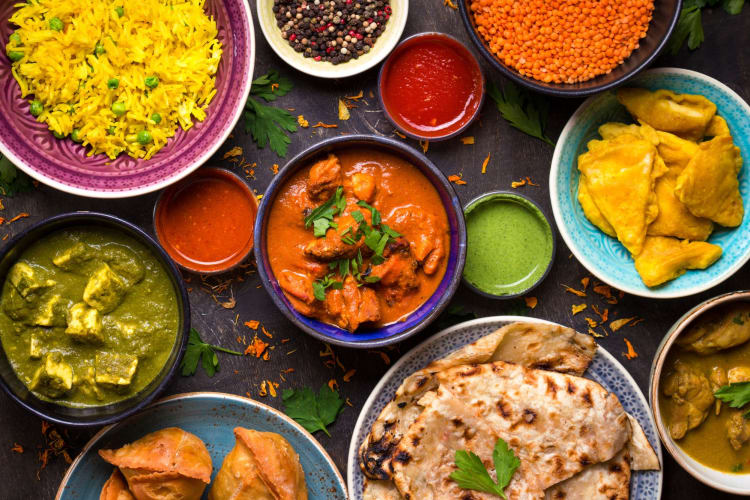
India’s contribution to destination dining is rooted in grandeur. Rajasthan, with its forts and palaces, offers banquets that feel like stepping into a Mughal-era court. Guests dine on thalis served on silverware under starlit desert skies, with folk musicians providing accompaniment.
In Kerala, houseboat dinners along the backwaters have become iconic, combining South Indian flavours with tranquil natural settings. Goa’s beaches, meanwhile, host a different kind of experience — chic pop-up restaurants that attract international chefs for seasonal residencies, turning the coastline into a global culinary laboratory.
What distinguishes India’s approach is scale and drama. With its vast landscapes and deep culinary traditions, the country positions dining as a cultural performance, often tied to heritage tourism and luxury hospitality.
China: Mountains, Water, and Culture

China’s sheer size offers immense diversity in destination dining. In Guilin, guests dine on bamboo rafts as they drift past karst mountains illuminated at night. In Sichuan, hillside tea plantations host spicy hotpot dinners overlooking terraced fields.
Luxury brands are also investing in high-end dining experiences near cultural landmarks. In Xi’an, restored Tang Dynasty halls serve banquets accompanied by traditional performances, while in Shanghai, modern pop-ups reinterpret rural flavours in avant-garde architectural spaces.
For China, destination dining is tied to both heritage and modern aspiration. It taps into the national appetite for rediscovering local traditions while appealing to urban elites eager for novel experiences.
A Continental Tapestry
Taken together, these regional spotlights show that destination dining in Asia is not a single uniform trend but a tapestry of practices shaped by geography, culture, and consumer demand. Whether it is Japan’s philosophy of harmony with nature, Thailand’s emphasis on spectacle, or Malaysia’s blending of heritage and landscape, each iteration reflects a society’s values.
What unites them is the belief that dining is no longer confined to four walls. It is a journey — sometimes literal, sometimes symbolic — that transforms food from a necessity into a story worth travelling for.
The Business of Experience

Destination dining may be a cultural phenomenon, but at its heart it is also a business model. For many restaurateurs, the allure of this trend lies in its ability to command premium pricing. Guests are not only paying for a plate of food; they are paying for the journey, the view, the atmosphere, and the memory. This bundling of elements justifies prices that far exceed conventional dining, allowing operators to capture higher margins per guest.
Consider a clifftop restaurant in Koh Samui, where a tasting menu might cost three or four times what the same ingredients would fetch in a Bangkok eatery. The difference lies not in the raw cost of goods, but in the logistics of transporting them, the staging of the dining environment, and the exclusivity associated with the location. For many diners, that premium is acceptable — even expected — because they are purchasing an experience that goes beyond food.
Investors have noticed. Hospitality groups across Asia are increasingly adding destination dining to their portfolios, seeing it as a driver of tourism and brand value. Luxury resorts often anchor their marketing on these experiences, positioning them as must-try highlights. Some operators have even spun destination dining into standalone businesses, staging pop-ups that operate for only a few months but generate outsized media coverage and social media buzz.
Yet profitability is not always guaranteed. The costs of running such operations can be steep. Transporting staff and equipment to remote areas, maintaining food safety under unpredictable conditions, and managing guest expectations all require meticulous planning. A single rainy season in Bali or a supply chain disruption in India can unravel carefully laid plans. The financial model is therefore as fragile as it is lucrative.
Cultural Dimensions

Beyond economics, destination dining resonates because it taps into cultural narratives. In many parts of Asia, food has always been entwined with place and ritual. What the modern trend does is amplify these connections and reframe them for a global audience.
In Japan, serving kaiseki in mountain inns reflects a centuries-old philosophy of aligning meals with seasons and landscapes. In India, hosting banquets in forts and palaces echoes the royal traditions of hospitality and grandeur. In Southeast Asia, dining in rainforests or on beaches reinforces the cultural importance of living in harmony with nature.
What makes destination dining powerful is this ability to merge storytelling with gastronomy. A dish is no longer just an arrangement of flavours; it becomes a chapter in a larger narrative that might include heritage, spirituality, or ecology. When diners eat satay by firelight in a Malaysian forest, they are not just consuming skewered meat; they are engaging in a symbolic act of community, recalling village feasts of the past.
For foreign visitors, these experiences offer entry points into cultures that might otherwise feel abstract. For locals, they provide moments of rediscovery — a chance to appreciate familiar traditions in new contexts. This dual appeal explains why destination dining succeeds across both domestic and international markets.
Challenges and Criticism
As with any trend, destination dining is not without critics. The most common concerns fall into three categories: elitism, sustainability, and authenticity.
First, elitism. Because destination dining often comes with high price tags, it risks becoming an exclusionary practice accessible only to wealthy travellers or urban elites. Critics argue that celebrating meals costing hundreds of dollars in countries where many struggle with rising living costs creates a cultural disconnect. Some fear the trend commodifies local traditions for external consumption while leaving local communities excluded from the benefits.
Second, sustainability. Staging dinners in fragile environments such as coral reefs, rainforests, or desert dunes can strain ecosystems. The construction of temporary structures, transportation of equipment, and influx of visitors all leave footprints. Without strict regulation, the very landscapes that make these meals memorable could be degraded. Operators increasingly face pressure to demonstrate carbon-neutral practices, invest in waste management, and commit to ethical sourcing of ingredients. Those who fail to do so risk backlash from eco-conscious consumers and regulators alike.
Third, authenticity. As the Instagram effect grows, some establishments prioritise aesthetics over substance, creating experiences that look spectacular but feel shallow. A pop-up restaurant in Cambodia, for instance, drew criticism for staging “traditional dinners” without meaningful engagement with local communities or ingredients, leading some to dismiss it as culinary cosplay.
Balancing these concerns requires careful planning and genuine commitment. Some restaurateurs have responded by integrating local communities into their supply chains, employing residents as staff, or reinvesting profits into conservation projects. Others emphasise transparency, publishing sustainability reports alongside menus. The most successful are those who recognise that destination dining is not merely about spectacle, but about responsible storytelling.
A Delicate Balance

For Asia, the challenge is clear: how to harness the economic and cultural benefits of destination dining without falling into the traps of excess and exploitation. The trend has the potential to uplift rural economies, preserve culinary heritage, and showcase natural beauty. But without safeguards, it risks widening inequality, damaging environments, and trivialising traditions.
In that sense, destination dining mirrors many of Asia’s broader development dilemmas — balancing growth with sustainability, and globalisation with cultural preservation. The way this trend evolves in the coming years will not only shape the region’s culinary landscape but also signal how societies manage the tension between commerce and culture.
The Future of Destination Dining
Looking ahead, the evolution of destination dining in Asia appears both promising and complex. Industry insiders expect the trend to grow more sophisticated, blending gastronomy with other lifestyle sectors such as wellness, sustainability, and technology. Already, luxury resorts in Thailand and Indonesia are combining yoga retreats with curated dinners under the stars, while wellness brands in India are pairing Ayurvedic cuisine with meditation sessions in heritage sites. The result is a fusion of body, mind, and palate, where food is one part of a larger journey toward holistic experience.
Sustainability will be the defining test. Diners are increasingly demanding eco-friendly practices, and governments are tightening regulations on environmental impact. Future operators will need to demonstrate commitments to carbon neutrality, waste reduction, and local sourcing. Some innovators are already experimenting with closed-loop systems, where food waste is composted onsite, or where menus shift weekly depending on what nearby farms can supply. By tying the dining experience to conservation and education, restaurants may find ways to both delight customers and protect the landscapes that make these meals possible.

Technology is also reshaping the space. Digital platforms are emerging that allow guests to book destination dining experiences in bundled packages — covering transport, meals, and lodging in one click. Virtual reality previews are being used to market sites, giving diners a taste of the journey before they even depart. Social media will remain a powerful engine, but the next frontier may be AI-driven curation, where personalised itineraries recommend experiences tailored to an individual’s tastes, budget, and travel schedule.
Another likely development is the expansion into smaller, less familiar markets. While hotspots like Bali, Kyoto, or Phuket dominate today, demand is beginning to spread into rural Vietnam, remote Philippine islands, and mountain towns in Nepal. For these communities, destination dining offers an economic lifeline, turning local foodways into global attractions. The challenge will be to ensure that profits benefit residents and that traditions are celebrated rather than commercialised.
Conclusion: Dining as Journey

Destination dining has taken Asia by storm not merely because it offers food in unusual settings, but because it captures something deeper: a longing for connection. In an age of hyper-urbanisation, where daily meals are often rushed or transactional, the act of travelling to a remote jungle clearing or a riverside pavilion restores a sense of ritual, adventure, and wonder. It transforms dinner into a story — one that diners can share with others and keep as a memory long after the plates are cleared.
At its best, destination dining is a celebration of Asia’s landscapes and traditions, uniting farmers, chefs, and communities in a shared narrative. At its worst, it risks becoming spectacle without substance. The path forward will depend on balance: between commerce and culture, between indulgence and responsibility, between the fleeting thrill of a viral photo and the enduring satisfaction of authentic experience.
One truth remains clear. For the foreseeable future, across the mountains of Japan, the beaches of Indonesia, the temples of India, and the cities of Southeast Asia, diners will continue to seek not just a meal but a journey worth remembering. And in doing so, they are redefining what it means to eat in the 21st century — proving that in Asia, food is no longer just sustenance. It is destination, identity, and story.


