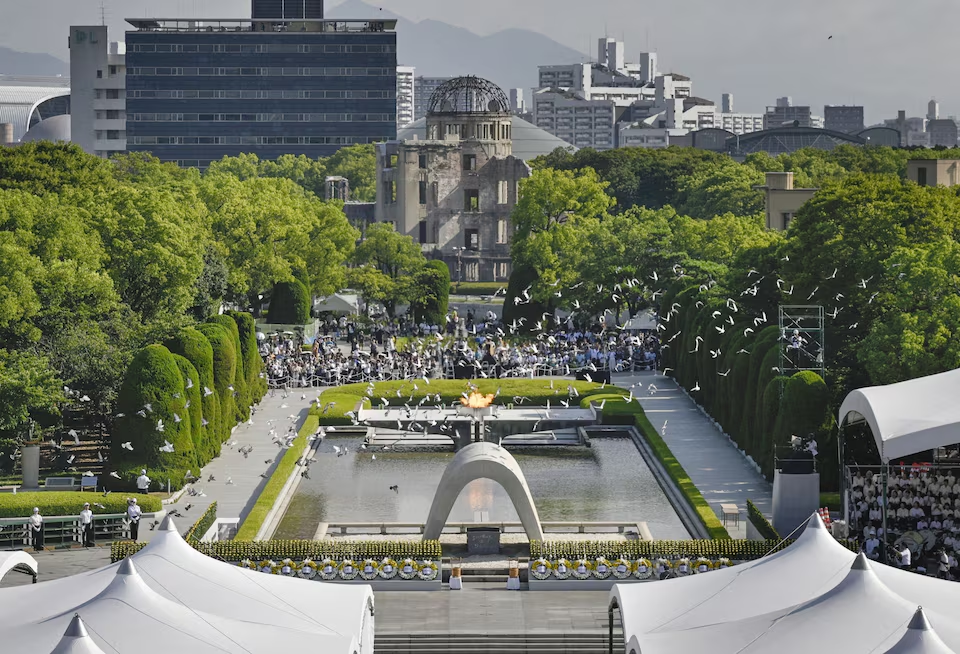
HIROSHIMA, Japan (Reuters) – On Wednesday, exactly 80 years after the first use of an atomic bomb in warfare, thousands gathered in Hiroshima to bow their heads in silent prayer, as the city’s mayor warned global leaders about the continued threat posed by existing nuclear arsenals.
The western Japanese city was devastated on Aug. 6, 1945, when the United States dropped a uranium bomb, nicknamed “Little Boy,” instantly killing about 78,000 people. Hiroshima was then a major military hub and supply base during World War Two, with U.S. strategists believing the surrounding mountains would magnify the bomb’s destructive force.
The blast generated temperatures of up to 4,000°C (7,200°F) and intense radiation, claiming tens of thousands more lives by the end of that year. Three days later, a plutonium bomb struck Nagasaki, leading to Japan’s surrender on Aug. 15.
Marking the milestone anniversary, representatives from a record 120 countries and territories—including nuclear powers such as the United States, and Israel, which neither confirms nor denies possessing nuclear weapons—attended the annual ceremony at Hiroshima Peace Memorial Park.
At 8:15 a.m., the exact moment of the blast, attendees observed a minute of silence. Mayor Kazumi Matsui urged leaders to learn from the tragedies of Hiroshima and Nagasaki, cautioning against the rising global trend toward military expansion.
“Many world leaders increasingly believe nuclear weapons are essential for national security,” Matsui said, noting that the United States and Russia together hold 90% of the world’s nuclear warheads. “This mindset not only erases the lessons history has taught us but also undermines decades of peace-building efforts. To all leaders worldwide: please come to Hiroshima and see firsthand the reality of atomic warfare.”
Tourist Yoshikazu Horie, 71, echoed the mayor’s concerns. “It feels like history is repeating itself. Terrible things are happening in Europe, and tensions are growing in Asia. It’s frightening,” he said. “I have grandchildren, and I want peace so they can live happily.”
Survivors of the bombings, known as hibakusha, often endured discrimination in the years after the war due to unfounded fears of disease and genetic damage. Their numbers have now fallen below 100,000 for the first time.
Japan remains the only nation to have suffered nuclear attacks. While committed to nuclear disarmament, it is neither a signatory nor an observer of the United Nations treaty banning nuclear weapons.


