
In Malaysia, mornings begin with a ritual that is both comforting and energizing—breakfast. For many, the first meal of the day must be hearty enough to fuel long hours of work or study, yet convenient enough to fit into the rush of a busy schedule. What makes Malaysian breakfasts so special is the incredible diversity of choices, rooted in the country’s Malay, Chinese, Indian, and colonial influences. Each dish carries its own story, heritage, and taste profile, turning an ordinary morning into a culinary adventure.
Nasi Lemak: The National Breakfast
No Malaysian breakfast conversation is complete without nasi lemak. Traditionally wrapped in banana leaves, it combines coconut milk–infused rice with spicy sambal, fried anchovies, peanuts, cucumber, and a hard-boiled egg. Its roots lie in Malay households where coconut milk was used to enrich rice, creating a dish that could sustain farmers through long hours in the fields.
The balance of flavors—creamy, spicy, crunchy, and fresh—explains why nasi lemak is beloved nationwide. On busy mornings, it is found everywhere, from roadside stalls to modern cafés, often with add-ons like fried chicken or rendang for a richer meal.

Roti Canai and Teh Tarik: A Perfect Indian-Malaysian Duo
Another breakfast staple is roti canai, a flaky, pan-fried flatbread introduced by Indian Muslim migrants. The art lies in the dramatic tossing and spinning of the dough before it is folded and crisped on the griddle. Traditionally paired with dhal (lentil curry) or fish curry, it is a versatile dish that can be enjoyed plain, with sugar, or stuffed with egg, onions, or sardines.
To complete the experience, Malaysians sip on teh tarik—“pulled tea” frothed by repeatedly pouring hot tea and condensed milk from one cup to another. This breakfast is quick, affordable, and satisfying, making it the go-to choice for many rushing to work.

Chinese Flavors: Dim Sum and Bak Kut Teh
Chinese communities brought with them the tradition of dim sum, a variety of small steamed and fried delicacies like dumplings, buns, and rice rolls. Originally a Cantonese tea-house specialty, dim sum became a Malaysian breakfast tradition for families, especially on weekends. It is not just food but an act of sharing and conversation.
For something heartier, bak kut teh—literally “meat bone tea”—is a herbal pork soup simmered for hours with garlic, spices, and Chinese herbs. Historically favored by Hokkien and Teochew workers in Klang, it is a warming dish that Malaysians even enjoy as early as 7am, often paired with rice and youtiao (fried dough sticks).


Kopitiam Culture: Kaya Toast and Half-Boiled Eggs
The influence of colonial times gave rise to the kopitiam breakfast. At traditional coffee shops, diners enjoy kaya toast (crispy bread with coconut jam and butter), paired with soft-boiled eggs drizzled with soy sauce and pepper. This light yet flavorful breakfast traces its roots to Hainanese cooks who adapted Western bread and jam-making techniques, blending them with local flavors.
It is often accompanied by a cup of robust kopi (local coffee brewed with margarine-roasted beans) or teh, making it a timeless choice for Malaysians seeking a quick but comforting morning bite.

East Malaysian Favorites: Laksa and Mee
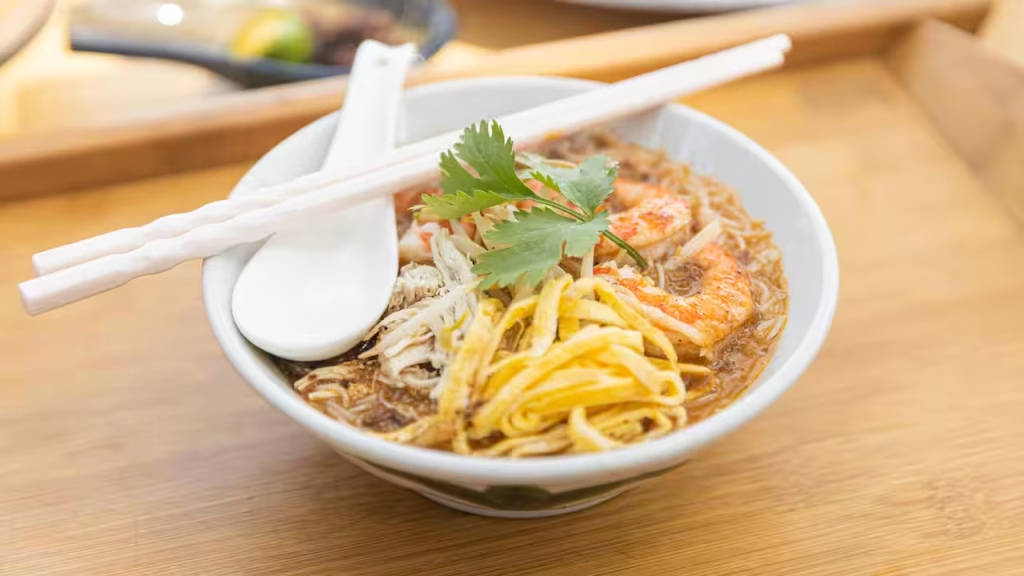
In Sabah and Sarawak, mornings are filled with bowls of laksa and noodles that reflect local culture. Sarawak laksa, with its fragrant broth of sambal belacan, coconut milk, and tamarind, is a breakfast icon that Anthony Bourdain once famously called “Breakfast of the Gods.” Similarly, Sabah’s ngiu chap (beef noodle soup) showcases rich flavors from local Chinese kitchens, offering warmth and sustenance before a busy day.
Sweet Notes: Apam Balik and Kuih
Not all breakfasts are savory. Many Malaysians begin the day with sweet treats like apam balik, a folded peanut pancake that originated from Chinese traders in the 19th century. Local kuih (bite-sized snacks made from rice flour, coconut, and palm sugar) are also common breakfast companions, reflecting the creativity of Malay and Peranakan kitchens.

A Breakfast Culture That Defines a Nation
What unites these choices is the idea that breakfast in Malaysia is never monotonous. It is multicultural, flavorful, and steeped in history. Each dish tells the story of migration, adaptation, and the blending of traditions across centuries.
On a busy morning, whether it’s a quick nasi lemak from a roadside stall, a roti canai flipped hot on the griddle, or a kopitiam kaya toast with strong kopi, Malaysians never compromise on flavor. Breakfast here is not just fuel—it is culture, heritage, and identity served on a plate.


