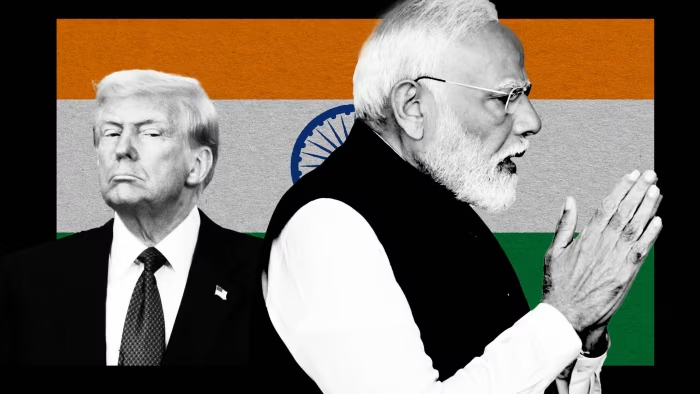
Kuala Lumpur, August 28, 2025 — A sweeping escalation in U.S. trade policy came into effect on August 27, as Washington doubled tariffs on Indian imports to a staggering 50%, intensifying economic and diplomatic tensions between the world’s two largest democracies. The expanded duties strike a blow to major Indian export sectors—apparel, jewelry, footwear, furniture, chemicals, shrimp, and more—threatening livelihoods, growth momentum, and a shift in geopolitical alignments.
About 66–70% of India’s exports to the U.S.—valued at nearly US$87 billion—are now subject to the punitive tariff regime, which builds upon the earlier 25% reciprocal tariffs. Analysts warn of a potential drop of up to 50% in U.S. shipments, sparking fears of job losses across labor-intensive industries and macroeconomic slowdown.
The move stems in part from U.S. objections to India’s continued purchases of Russian oil—despite sanctions—though Indian policymakers and leaders reject that justification, citing their sovereign energy policy. Former NITI Aayog CEO Amitabh Kant dismissed the oil link narrative as a pretext, underscoring deeper strategic friction.
Domestic fallout was immediate. Key export zones, particularly Gujarat’s textile and diamond industries, braced for shockwaves. Exporters warned of operations becoming commercially unviable. Analysts also sounded alarms about India’s trade positioning as a manufacturing alternative to China now being undermined.
In response, India’s government has pledged support for exporters through financial aid and credit relief, while the rupee and equity markets adjusted as investor sentiment waned.
Bilateral trade talks collapsed after five inconclusive rounds, even as both countries reaffirmed commitments to broader strategic frameworks like the Quad. Still, analysts caution that this tariff salvo could weaken India’s appeal to foreign investors and threaten up to 2 million export-related jobs.
Geopolitical consequences are already unfolding. India is accelerating moves toward diversification—engaging more deeply with BRICS partners and planning a pivotal visit to China next month—as Washington’s hardline approach propels strategic recalibration.


