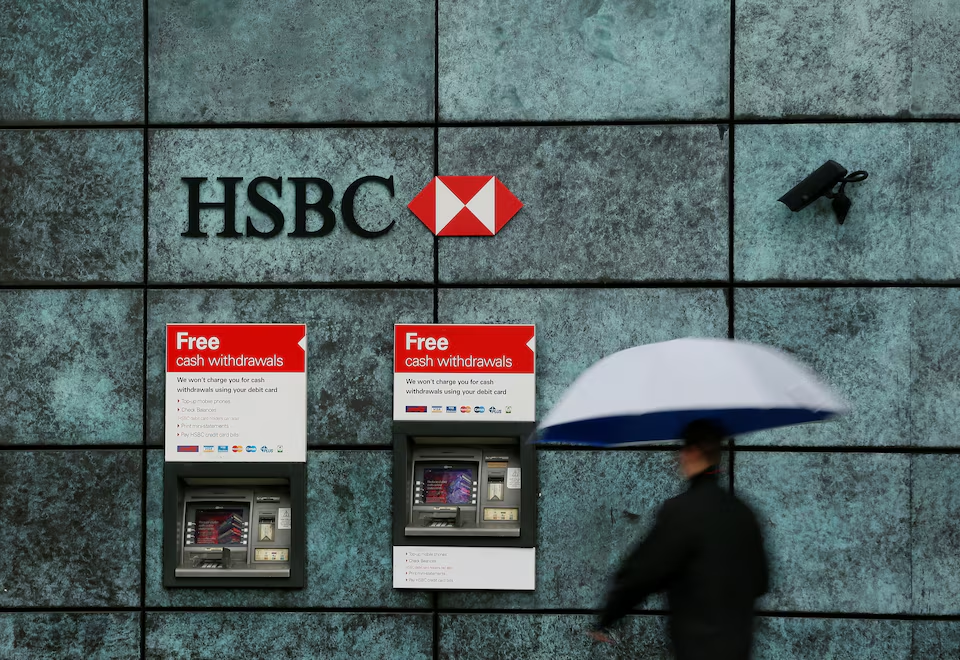
Hong Kong, 09 October 2025 — HSBC Holdings’ stock slid roughly 6 percent from its recent highs following its bold announcement to buy out the remaining minority shareholders of Hang Seng Bank, a move valued at around US$13.6 billion (HK$106.1 billion).
The plan proposes to purchase the 36.5 percent stake in Hang Seng that HSBC does not already control, at HK$155 per share, representing a 30 percent premium over Hang Seng’s closing price.
HSBC’s London‐listed shares led declines on the FTSE 100, marking their largest single-day loss since April 2025. Despite the retreat, the stock remains over 25 percent higher year to date.
Strategic Rationale & Market Reactions
HSBC framed the acquisition as a move to streamline governance, eliminate minority interest deductions, and accelerate integration between Hang Seng and its global operations — while preserving the Hang Seng brand and network.
According to Citi analyst Andrew Coombs, while the strategic rationale is compelling, investors will question the timing and valuation of such a large cash outlay.
Hang Seng Bank has faced mounting scrutiny for its exposure to Hong Kong’s struggling property sectors and worsening asset quality. Its non-performing loans ratio has jumped to 6.7 percent, compared to 2.8 percent in 2023.
To accommodate the acquisition, HSBC expects a 125 basis point drag on its CET1 capital ratio and has announced a pause in share buybacks for about three quarters.
Implications for Asia & Investors
- Asset reallocation & sentiment: The buyout could redirect investor capital and refine how HSBC allocates funds across its global operations, spotlighting Hong Kong as a core market.
- Capital constraints: The deal’s immediate capital impact may restrain HSBC’s ability to engage in further share buybacks or expansion until its capital buffers recover.
- Consolidation trend: The move may fuel further consolidation in Asia’s banking sector, especially among parent institutions seeking tighter control over regional units.
- Valuation and risk evaluation: Investors will closely monitor whether projected synergies materialise, and whether the premise of stability in Hong Kong’s financial environment holds amid property stresses.
- Regulatory scrutiny: The transaction must clear shareholder and Hong Kong court approval, adding a layer of legal and regulatory risk.


