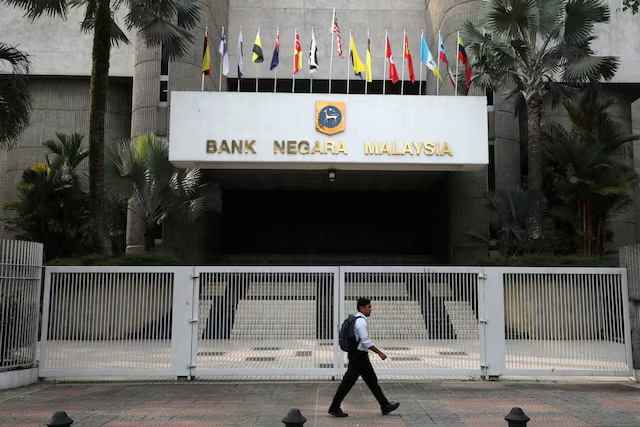
KUALA LUMPUR, 10 December 2025 — The Malaysian ringgit slipped against the US dollar this week, as renewed expectations that the Federal Reserve (Fed) may cut interest rates next year fuelled strength in the greenback.
Local financial-market watchers attributed the ringgit’s decline to a combination of rising dollar demand, risk-off sentiment in global capital flows, and shifting interest-rate differentials between Malaysia and the United States.
What’s Behind the Ringgit’s Drop
- Fed-Cut Speculation: The anticipation of U.S. rate cuts has boosted demand for the dollar. Lower yields overseas make dollar-denominated assets more attractive, prompting investors to convert local currencies into dollars, putting downward pressure on the ringgit.
- Capital-Flow Dynamics: As global investors reposition their portfolios in response to evolving monetary policy, emerging-market currencies, including the ringgit, often come under stress as capital seeks perceived safety.
- Local Interest-Rate Differentials: If Malaysia maintains relatively higher interest rates while the dollar strengthens, that differential can weigh on local currency markets due to currency-carry trade adjustments and shifting yield attractiveness.
Broader Implications for Malaysia’s Economy & Investors
- Import Costs & Inflationary Pressure: A weaker ringgit makes imported goods and raw materials more expensive, a factor that could contribute to inflation or cost-push pressures, especially for businesses dependent on imported inputs.
- Corporate Earnings Impact: For Malaysian firms with foreign-currency debts or import-heavy operations, currency depreciation could increase repayment burdens or input costs, affecting margins.
- Foreign Investment Considerations: Foreign institutional investors may reassess returns: currency loss can erode the attractiveness of Malaysian assets if ringgit weakness persists.
- Export Competitiveness — Partial Offset: On the flip side, a weaker ringgit can make Malaysian exports cheaper and more competitive globally, potentially benefiting export-oriented sectors if global demand holds.
What to Watch in the Near Term
- US Federal Reserve moves & global rate expectations: Any signals of rate cuts, or delays, from the Fed will likely influence dollar strength and, by extension, the ringgit.
- Malaysia’s domestic interest-rate and inflation policy: Decisions by Bank Negara Malaysia (BNM) on the Overnight Policy Rate (OPR) and inflation containment will shape ringgit dynamics.
- Global risk sentiment & capital flows: Geopolitical developments, commodity prices, and global equity/bond markets will feed into emerging-market currency volatility.
- Export demand and trade balance developments: Stronger external demand for Malaysian exports could cushion ringgit weakness; conversely, weak external demand may compound currency pressure.