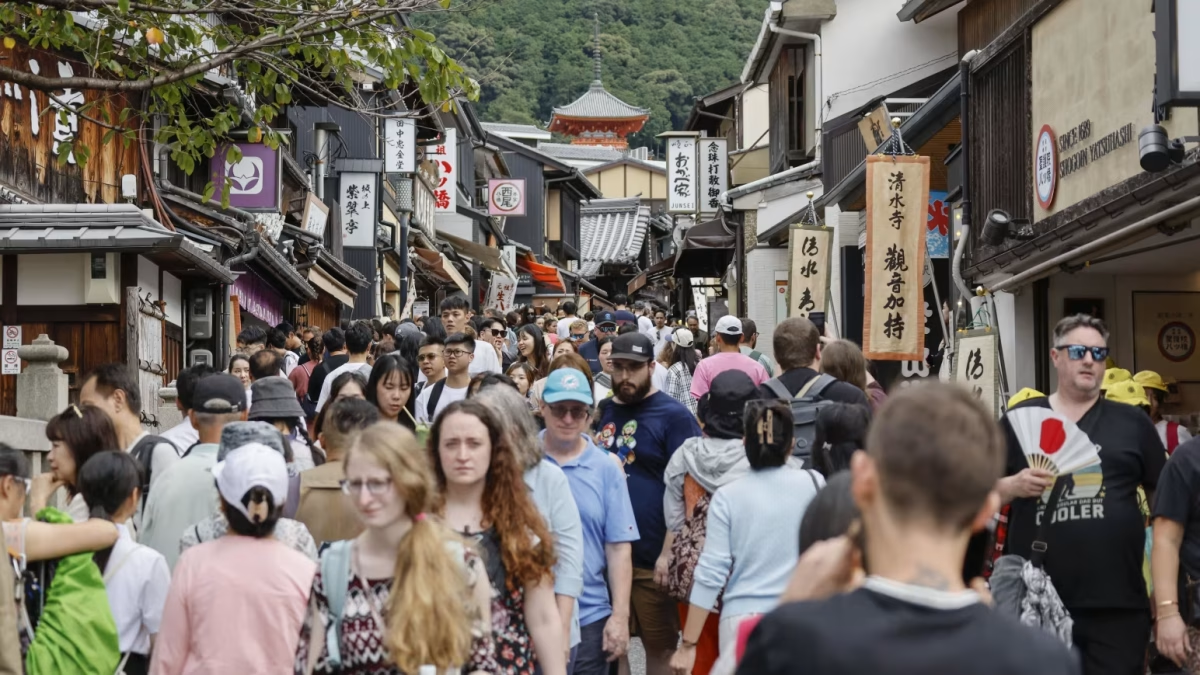
BANGKOK / TOKYO / BALI, 2 November 2025 — From the beaches of Bali to the temples of Kyoto and the bustling markets of Bangkok, Asia’s tourism boom has roared back to life, but not without consequences. After a surge of pent-up post-pandemic travel demand, many of the region’s top destinations are now struggling under the weight of overtourism, forcing local authorities to reconsider how to balance economic growth with the preservation of culture, nature, and community life.
A Region Overwhelmed by Its Own Success
In Bali, Indonesia’s iconic island paradise, the return of mass tourism has reignited old challenges. Roads are again clogged with scooters and tour buses, beaches overflow with visitors, and locals complain that cost-of-living pressures have soared. Authorities have responded with a tourist levy and tighter rules on visitor behaviour, including bans on renting motorbikes and restrictions on temple access — to curb the excesses of unsustainable travel.
Similarly, Japan’s ancient capital, Kyoto, is facing renewed strain. The return of millions of international tourists has left narrow streets jammed and residents frustrated. The local government recently installed fences in parts of the Gion district to deter travellers from crowding traditional alleys where geishas work. “We depend on tourism, but not at the cost of our way of life,” said one shopkeeper quoted in the Kyoto Shimbun.
Thailand’s beaches are also feeling the squeeze. Phuket, Krabi, and the Phi Phi Islands, long marketed as pristine getaways, now face overflowing waste, coral-reef damage, and water shortages during peak seasons. In response, Thailand’s tourism ministry has begun promoting “second-tier” destinations such as Nakhon Si Thammarat and Trang to spread the visitor load more evenly.
The Numbers Behind the Boom
Across Asia, international arrivals have exceeded pre-COVID levels in several key markets. Japan expects to welcome over 35 million visitors this year, while Thailand anticipates around 40 million arrivals. Malaysia and Vietnam, too, have reported double-digit growth in inbound travel. Yet infrastructure has not kept pace with this rapid rebound.
In cities like Seoul and Taipei, local residents are finding housing increasingly unaffordable due to short-term rentals catering to tourists. Meanwhile, fragile ecosystems such as Komodo Island in Indonesia and the Banaue Rice Terraces in the Philippines are suffering from foot traffic and littering, forcing temporary closures or access limits.
Shifting Toward Sustainable Tourism
Governments across the region are beginning to act. Indonesia’s new “tourism transformation roadmap” emphasises quality over quantity, focusing on attracting longer-stay, higher-spending travellers rather than sheer numbers. Japan has introduced “off-peak travel campaigns,” offering discounts for visiting lesser-known prefectures.
In South Korea, the government is funding digital-nomad programmes to diversify tourism revenue, while Bhutan, long a pioneer in responsible tourism, continues to enforce its high-value, low-impact model by maintaining a daily tourist fee that funds conservation.
According to analysts, this shift reflects a recognition that overtourism not only undermines local environments but can erode the very authenticity that draws visitors in the first place. “Asia’s travel renaissance must be guided by smarter growth,” said one regional sustainability expert. “If destinations fail to manage the influx, they risk destroying what makes them unique.”
A Fine Balance for the Future
As travel continues to define economic recovery across the region, the challenge now is to sustain it responsibly. Community engagement, visitor education, and infrastructure investment are emerging as central themes. From temple towns to tropical isles, Asia’s most popular destinations are rewriting the rules of tourism, learning, sometimes painfully, that more is not always better.


