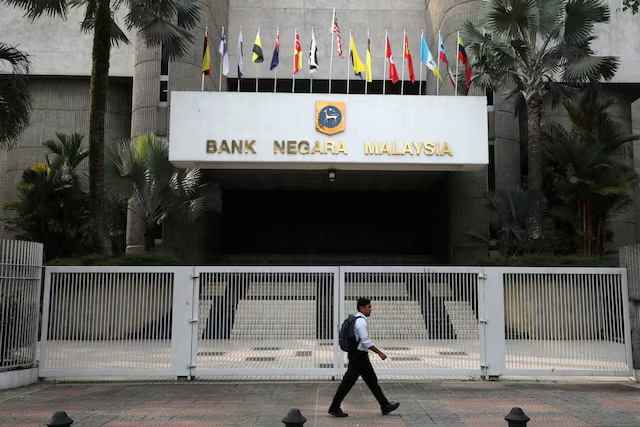
Kuala Lumpur, 22 August 2026 – The strategic balancing act within Malaysia’s ruling coalition government is shaping the pace, scope, and implementation timeline of critical structural fiscal reforms, as Prime Minister Datuk Seri Anwar Ibrahim’s administration navigates parliamentary consensus, coalition partner dynamics, and economic modernization targets. The political economy landscape remains a vital focal point for institutional investors, credit rating agencies, and multinational corporations evaluating the durability of Malaysia’s sovereign policy reforms.
The political imperative for the coalition government centers on maintaining legislative stability across diverse political parties while executing long-overdue fiscal consolidation measures. Since assuming office, the administration has demonstrated significant fiscal discipline by implementing targeted electricity tariff adjustments, restructuring diesel subsidies, and enacting the Public Finance and Fiscal Responsibility Act (FRA). These structural initiatives have established a credible trajectory to narrow the national fiscal deficit from over 5.0% toward the targeted 3.8% of gross domestic product, reinforcing sovereign credit rating stability.
Unlock the Full Article
This article is exclusive to The Ledger Asia Subsribers / PAID members.
Already have an account? Log in here